Table of Contents
Major Planetary Zones | (Twin) Sections of the Habitual Belt | Regions
THE EASTERN EQUATORIAL SECTION (ASARI)
Overview
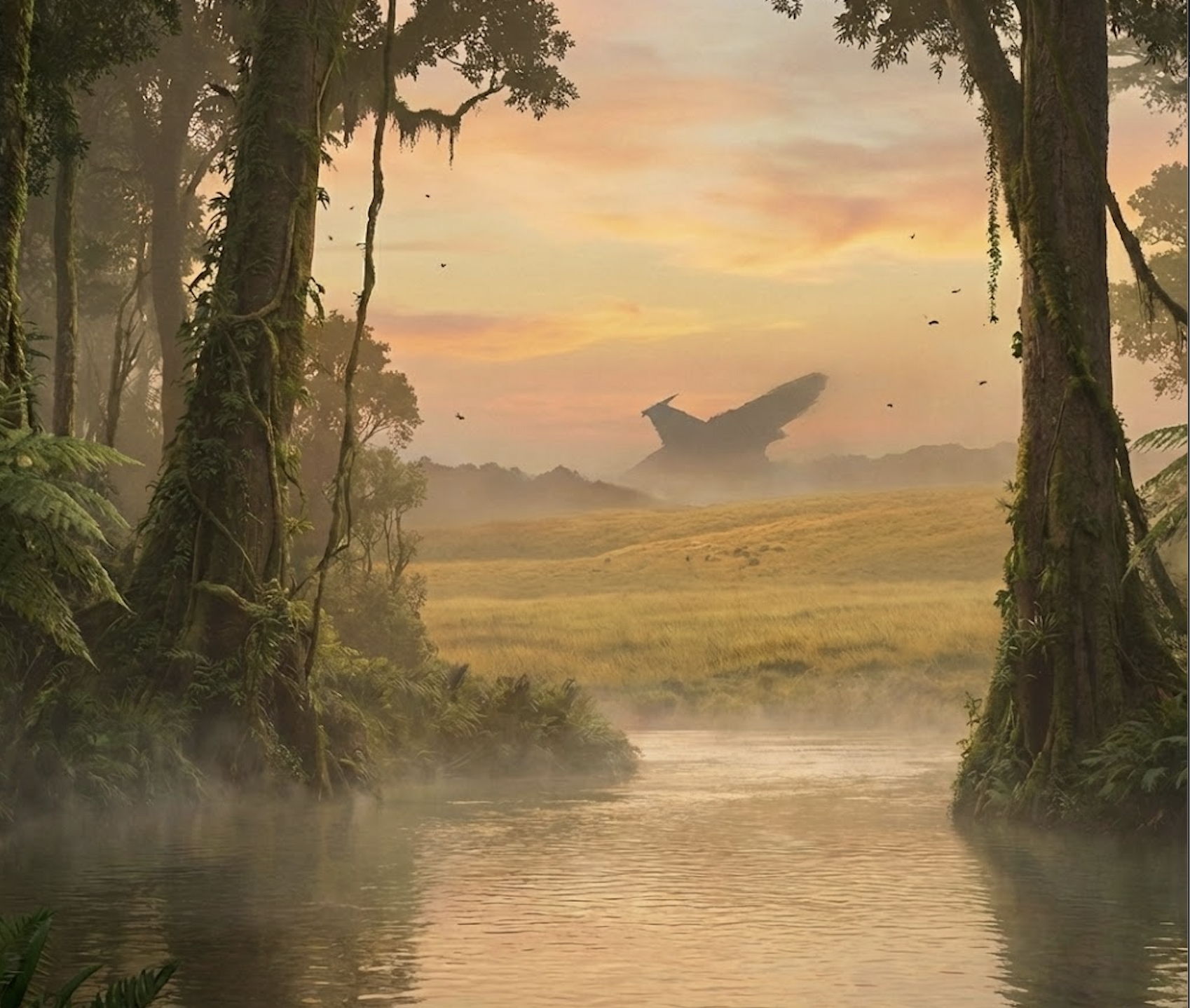
Asari, the Eastern Section of the Equatorial Sections of the Habitual Belt on VOI 700 D, is a region of unparalleled fertility and biodiversity. Spanning 374,000 square kilometers — roughly the size of Japan on Earth — Asari shares the common characteristics of the Equatorial Sections. It is bordered to the north by Nivari, to the west by the Tijonara Region on the Desert Side, and to the east by the Ralar Region on the Dark Side.Due to its stable temperatures and high humidity, Asari has become one of the most ecologically rich zones on the planet, forming a critical habitat for diverse species and sustaining both Native Tribes and Exohuman settlements.
Asari is the most thoroughly explored region of the Habitual Belt, primarily because the Last Frontier spaceship crash-landed here in 2625, making it the focal point of Exohuman settlement and research. While the Beta Age saw significant Exohuman expansion efforts in this region, it also led to rising tensions with the Alliance of Native Tribes, ultimately culminating in the Great War. In the Gamma Age, the Peace Treaty has imposed strict limitations on Exohuman expansion, confining their presence to designated settlements and further restricting their influence over Asari’s vast landscapes.
Climatic Conditions, Geography and Landscapes
Asari features a predominantly tropical climate, characterized by dense rainforests, expansive wetlands, and fertile river systems. Due to its equatorial position, it experiences high humidity and stable temperatures throughout the year. Its borderlands — where it meets the Desert Side to the west and the Ralar Region on the Dark Side to the east — exhibit distinct microclimatic conditions, shaped by the arid winds from the desert and the cooler, shadowed environment of the Dark Side. These transitions create unique ecological zones, influencing both flora and fauna across the region.
Western Borderland Microclimate (Transition to Tijonara Region of the Desert Side)
- Lower humidity levels in the westernmost steppes and foothills, where dry air currents from the Desert Side influence local precipitation cycles.
- Sparser vegetation in transition zones, with semi-arid grasslands replacing the dense rainforests of central Asari.
- Higher daytime temperatures due to proximity to the arid desert, but temperatures remain stable due to the absence of a day-night cycle.
Eastern Borderland Microclimate (Transition to Ralar Region on the Dark Side)
- Gradual temperature decrease towards the Atrana Mountains due to prolonged exposure to shade and reduced solar radiation.
- Moisture retention in specific valleys, where reduced evaporation allows for unique plant life to flourish.
- Fungal and moss species thrive in lower light conditions, forming an ecosystem distinct from the sunlit jungles of central Asari.
Geographic Features
Lakes
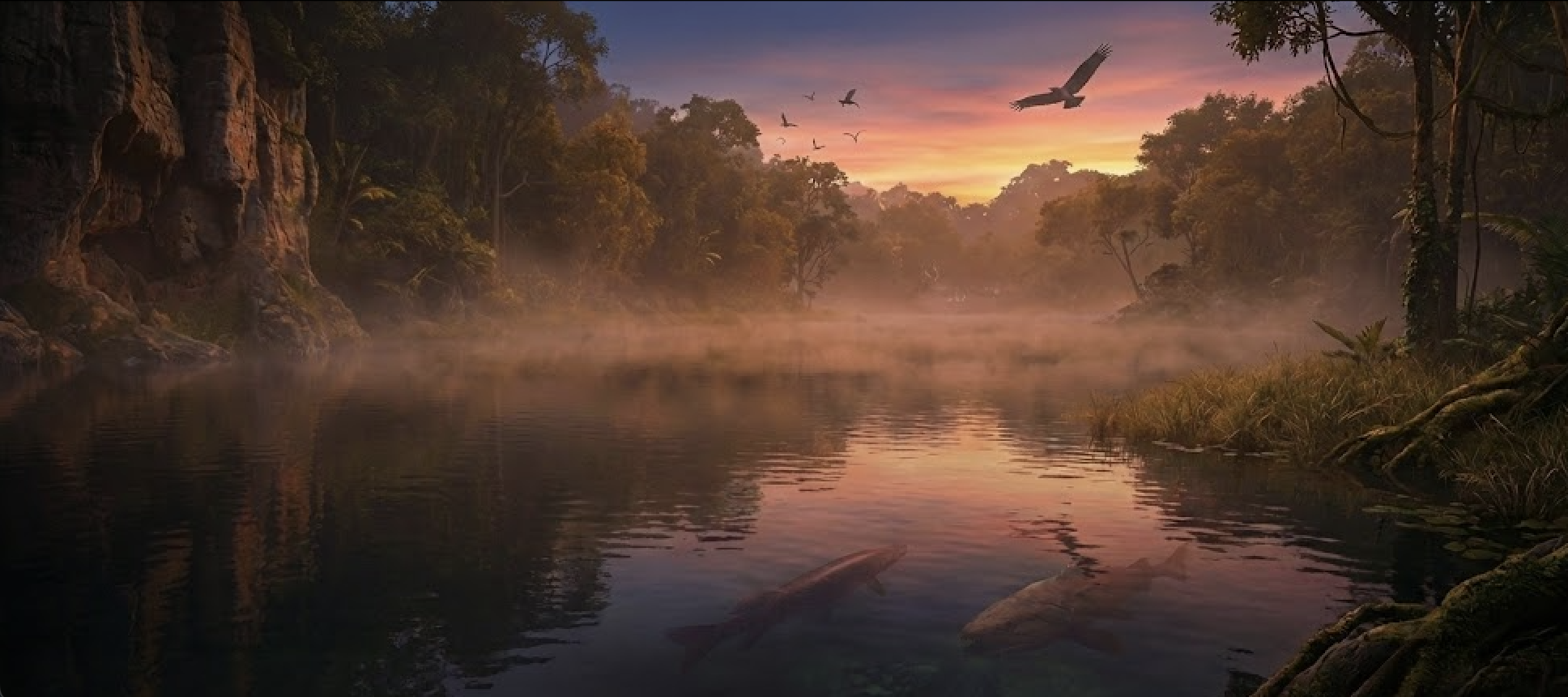
- Lake Arla: Located on the southwestern edge of the region, the expansive inland sea Lake Arla spans 10,000 square kilometers. Its ecosystem benefits from the Haze Doom, a perpetual cloud layer that moderates temperatures and enhances local biodiversity.
- Lake Orlanda: The deepest of the three great lakes, Lake Orlanda lies in the north, surrounded by dense forests. Its mysterious underwater caves, which neither the Orlanda Tribe nor Exohumans have explored, add an air of mystery to its spiritual and ecological significance.
- Lake Tijonara: Situated in the central Asari Region, Lake Tijonara serves as the delta where the Tijonara River and Arla River converge. It is bordered by tropical forests and marks the eastern boundary of the Senti Tribe’s sacred homeland, forming a key transition zone between the steppe and the tropical heartland.
Rivers
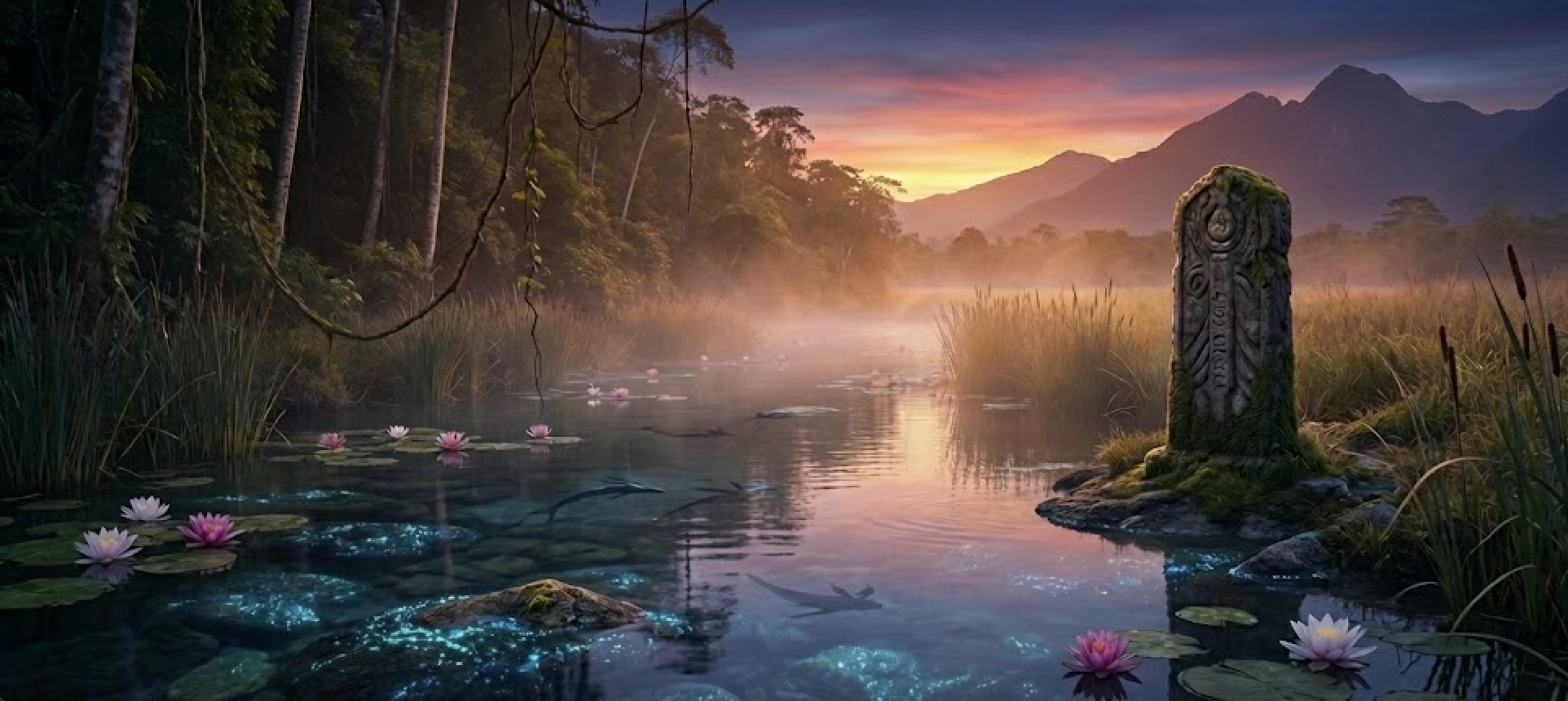
- Arla River: Originating in the Atrana Mountains, the Arla River traverses 1,800 kilometers of lush forests, marshlands, and wetlands before emptying into Lake Arla.
- Orlanda River: Beginning in the Atrana Mountains, the Orlanda River flows 40 kilometers through verdant landscapes to Lake Orlanda, defining the southern boundary of Orlanda tribal territory.
- Tijonara River: Rising in the Tijonara Mountains, the Tijonara River flows 220 kilometers through a vast steppe in Senti territory before merging with the Arla River at Lake Tijonara. Its course supports the grasslands and Odo herds that are central to the Senti way of life.
Tropical Forest:
- Much of the Asari's central zone is covered by a dense Tropical Forest, reminiscent of the rainforests of South America on Earth. This lush and humid woodland dominates the region’s landscape and are especially prevalent around the Arla River, Orlanda River, and the shores of Lake Arla, Lake Orlanda, and Lake Tijonara. Home to a vibrant array of flora and fauna, the Tropical Forest forms a vital ecological backbone and a key setting for both tribal life and narrative exploration.
Marshlands
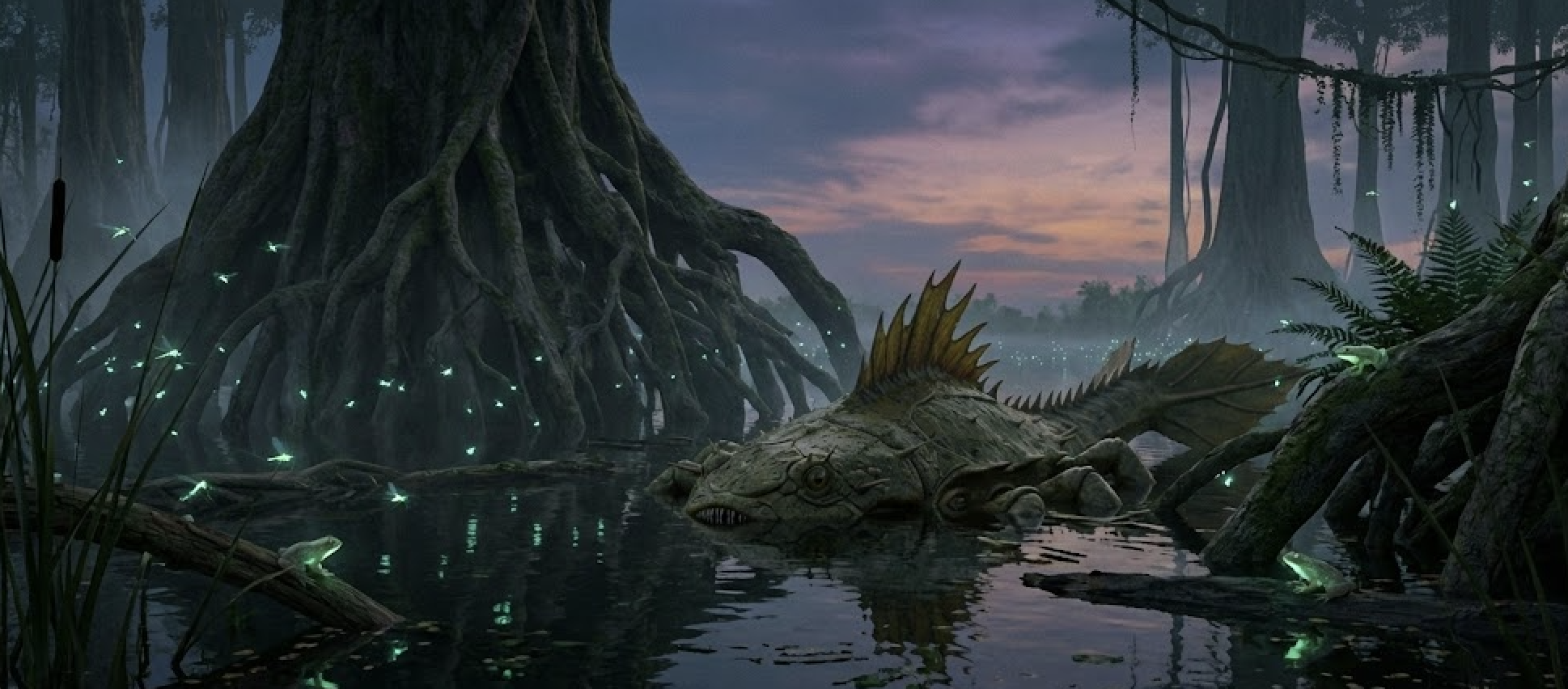
- The Orlanda Marshes, located to the north, blend aquatic and terrestrial ecosystems, providing a refuge for specialized species. These marshes are deeply entwined with the Orlanda Tribe’s culture and spirituality.
Mountain Ranges
- Tijonara Mountains: The Tijonara Mountains on the western edge of the region act as a natural barrier, protecting the Asari Region from the arid Desert Side. Their foothills are dominated by vast steppes that serve as grazing grounds for Odo herds.
- Atrana Mountains: The Atrana Mountains on the eastern edge shield the Asari Region from extreme conditions, offering geothermal microclimates and hosting the sources of the Arla and Orlanda Rivers.
- Ralar Mountains: The Ralar Mountains are a rugged volcanic mountain range in the southeastern Ralar Region. These mountains surround and include the name-giving active volcano Ralar, which has shaped much of the region’s geothermal landscape
Flora
Exohuman records of Asari's plant life stem from several Beta Age expeditions. Since post-war access to many regions is restricted, most scientists agree that Asari’s flora remains only partially documented. However, the region’s consistent climate and fertile environment have given rise to an ecosystem of remarkable diversity. The primary biomes influencing Asari’s plant life include
- Rainforests – Home to massive trees with dense canopies, vines, and epiphytic plants.
- Floodplains – Vegetation along rivers and lakes, providing shelter for aquatic creatures.
- Tropical Grasslands – Open areas supporting tall grasses and grazing herbivores.
- Mountain Slopes – High-altitude plants adapted to lower temperatures and strong winds.
Fauna
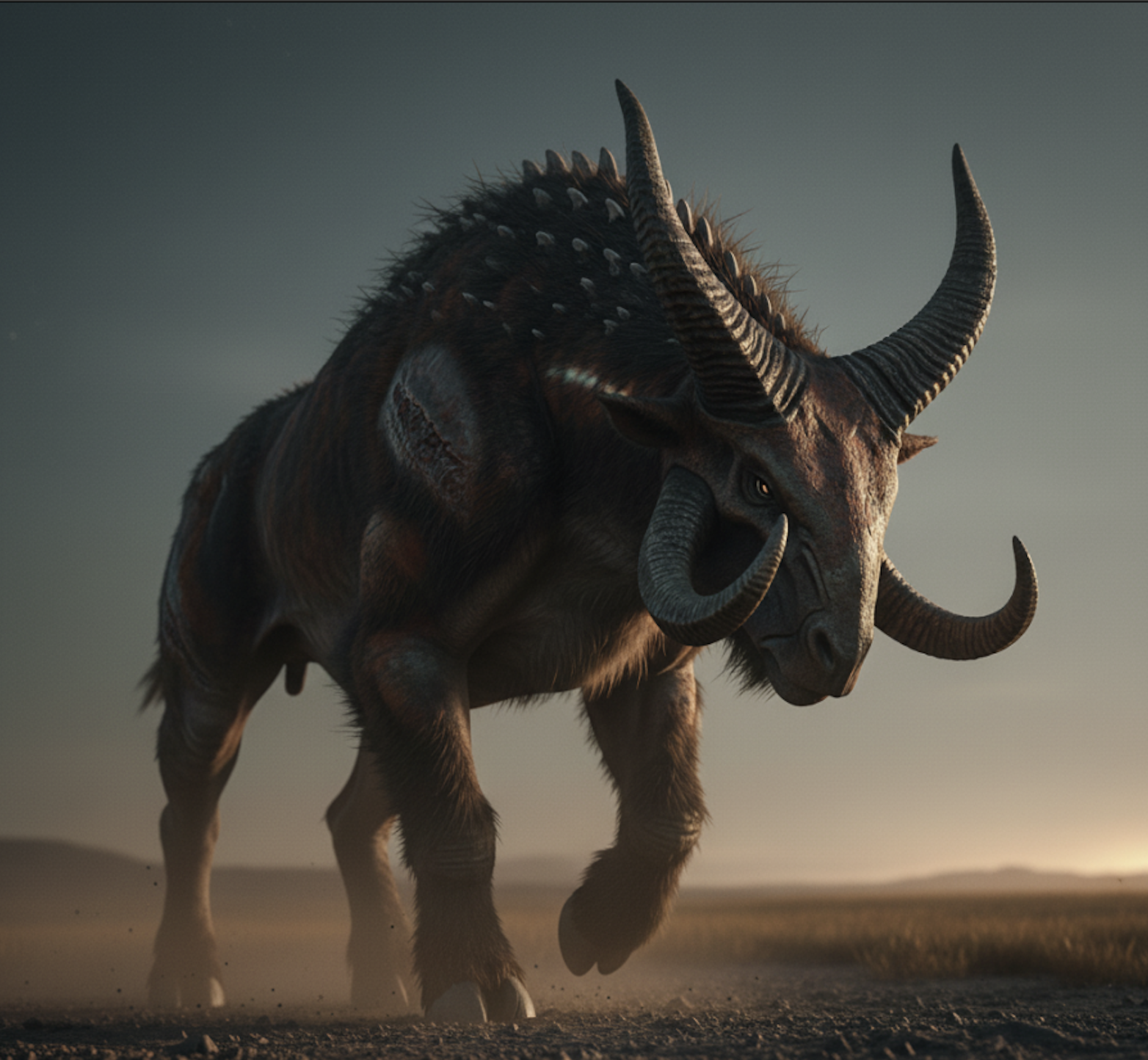
Asari's biodiversity supports a variety of lifeforms, adapted to its forests, rivers, and grasslands. Although much of the region remains unexplored due to post-war restrictions, it is already known to host a wide array of species. The region is home to:
- Grazing Mammals – Large, herd-based creatures like Hoo roam the steppes and highlands, forming the foundation of native hunting and predator food chains.
- Aerial Predators – Raptors like the Arr dominate the skies over the grasslands and forests, using heightened vision and agile flight patterns to track prey.
- Non-Predatory Birds – A wide variety of songbirds like the Flutterwing, migratory species, and waterfowl inhabit forests, wetlands, and grasslands. Some species exhibit highly specialized beak structures for feeding on particular plant species or insect populations.
- Stealthy Hunters – Feline-like predators lurk in the dense woodlands, relying on camouflage and ambush tactics to hunt small to mid-sized mammals and birds.
- Reptiles and Cold-Blooded Species – Various snake, lizard, and amphibian species inhabit the forests, wetlands, and rocky highlands. Some snakes are venomous ambush predators, while others are constrictors feeding on small mammals and birds.
- Aquatic Species – Rivers and lakes sustain a variety of fish, amphibians, and semi-aquatic predators adapted to cool, temperate waters. Some species are capable of brief land excursions, suggesting evolutionary adaptations for both aquatic and terrestrial survival.
- Insects and Invertebrates – Pollinators, burrowing species, and scavengers play a crucial role in forest and wetland ecosystems. Some possess reflective or light-diffusing carapaces, likely an adaptation to twilight conditions.
For a detailed list of creatures found in Asari, see Known Wildlife of Asari.
Population
Approximately 260,000 indigenous people call the Eastern Equatorial Section their home. Many of them are nomads, while others have settled in permanent tribal communities. Additionally, since the Beta Age, about 31,000 Exohumans have settled in Asari, arriving with the Last Frontier spaceship in 2625.
The Largest Native Tribes in Asari:
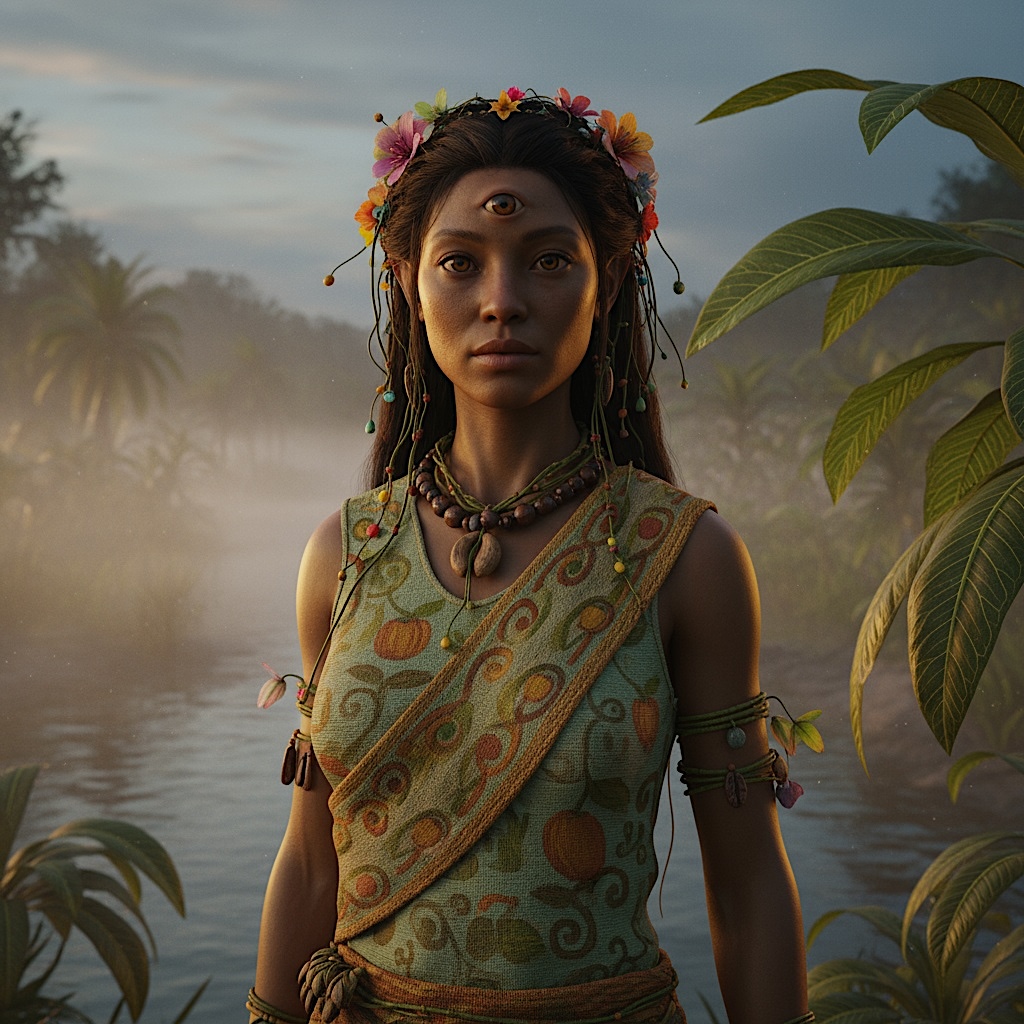
- HONGA (Nomads):
- Population: Approximately 100.000 (115.000 before the Great War)
- Short Description: The Honga have called the western shore of the Arla River home for hundreds of years. As a nomadic tribe, they regularly move from the source of their river to the Lake Arla and back. “Shai Zaong” (Cycle of Life) is what the Honga call the path they travel again and again.
- More information: The Honga
- TRANDO (Sedentary):
- Population: Approximately 80.000 (90.000 before the Great War)
- Short Description: The Trando are at home in the dense, huge wooded area near the Lake Arla. This is exactly the life they specialize in. Thus, the Trando do not live on the forest floor, but have built their huts in the trees. So that they get more light. In addition, the huts offer them safety from roaming predators.
- More information: The Trando
- SENTI (Sedentary):
- Population: Approximately 50.000 (60.000 before the Great War)
- Short Description: The Senti are at home in a protected valley of the Tijonara Mountains. They are hunters and farm.
- More information: The Senti
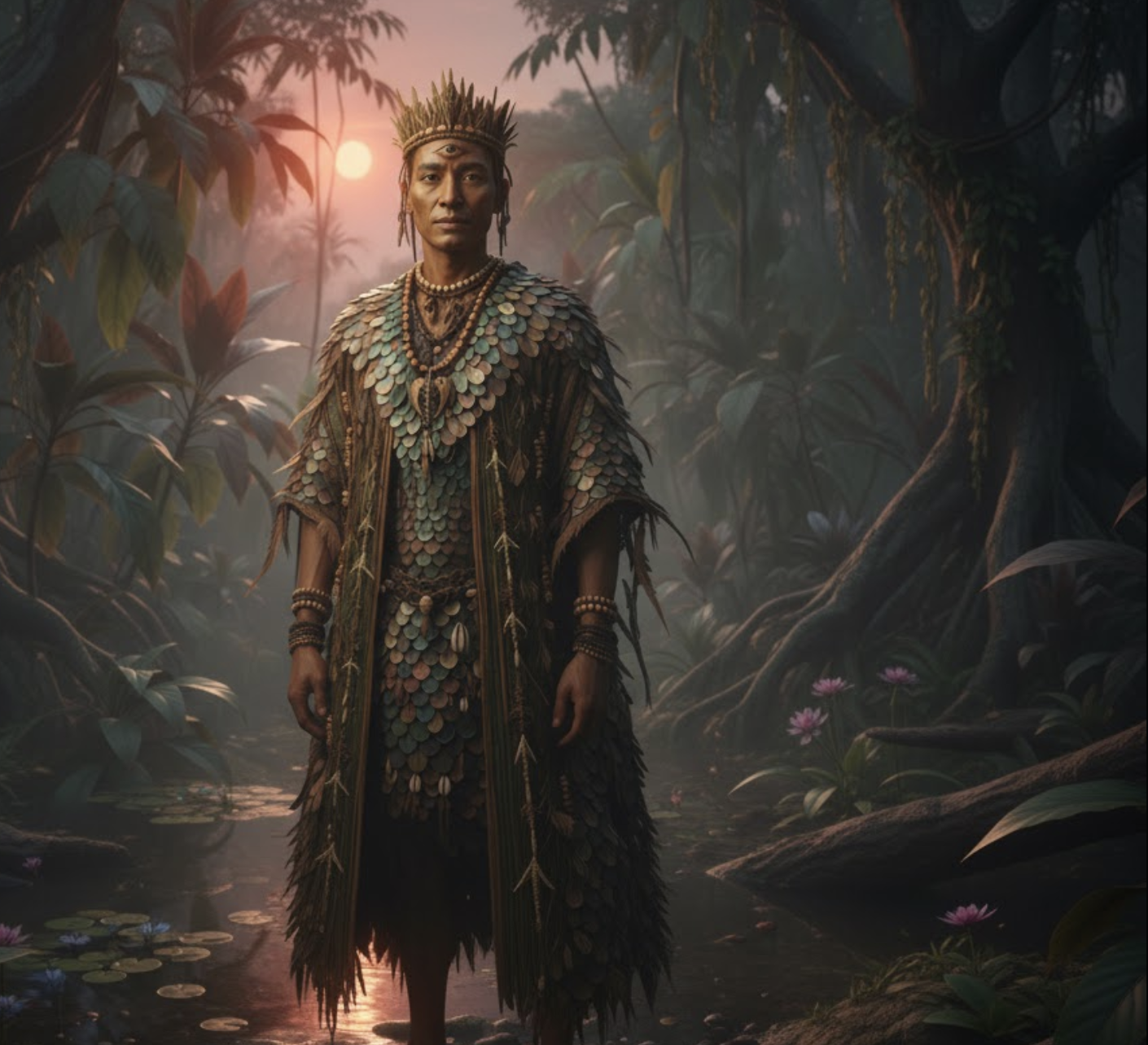
- ORLANDA (Sedentary):
- Population: Approximately 10.000 (15.000 before the Great War)
- Short Description: The Orlando Swamps were named after the Orlanda tribe. Because exactly here, the Orlanda are at home for hundreds of years. And this despite the fact that the living conditions in the morass are not exactly easy. But the Orlanda have somehow managed to settle in the mud - between wild predators and sinking grounds.Their huts are located on floating wooden rafts, where the Orlanda also grow crops.
- More information: The Orlanda
Settlements and Sacred Sites
Unlike other regions of the Habitual Belt, Asari is home to both Exohuman and Native settlements, making it a region of cultural convergence and tension. Exohuman communities were established in the Beta Age, while Native settlements have existed for centuries, each adapted to the unique landscapes of Asari.
Exohuman Settlements

- Population: 14,000
- Location: Near the central plains of Asari
- Description: Founded in 2625 by survivors of the Last Frontier, New Kourou is the largest Exohuman settlement in the region. It functions as the capital of the Free State of Settlers during the Beta Age and later the seat of the Federal Confederation in the Gamma Age.
- Significance: New Kourou is the political and economic center of Exohuman civilization on VOI 700 D, controlling supply chains, trade routes, and governance.
- Population: 4,000
- Location: Along the southwestern edge of the region, near Lake Arla.
- Description: Hope was established as a agricultural outpost.
- Significance: As the primary food production center for Exohumans in Asari.
- Population: 3,000
- Location: Near the eastern border of the region, close to the Atrana Mountains.
- Description: Morningstar was envisioned as a central hub for the timber industry, supplying wood and timber to the Exohuman community. The settlement was strategically built near the vast forested zones of Asari,
- Significance: Morningstar is the primary supplier of timber for construction and manufacturing.
- Established: September 03, 2626
- Location: Eastern shore of Lake Arla, Asari Region.
- Reason for Foundation: Built during the short existence of the Free State of Settlers as a fishing and processing hub. Included a central fish factory and temporary housing for ExoHuman workers.
- Housing: Basic functional shelters and prefabricated industrial buildings. Destroyed by the Trando Tribe during the Great War. Only ruins remain in the Gamma Age, overgrown and forbidden for exploration under the Peace Treaty.
Native Settlements
- Trandon (Trando Tribe)
- Population: ~12,500
- Location: Deep within the dense forests near Lake Arla.
- Description: Trandon is the oldest known settlement in the Eastern Equatorial Section, founded by the Trando Tribe. The settlement is unique as its homes are built high in the trees, allowing residents to avoid dangerous predators and make use of increased sunlight.
- Significance: Trandon is the cultural and trade center of the Trando, known for its woodworking craftsmanship and herbal knowledge.
- Orlanda (Orlanda Tribe)
- Population: ~10,000
- Location: Within the Orlanda Marshes, in the northern part of the region.
- Description: The Orlanda Tribe has adapted to marshland living by constructing floating homes on wooden rafts. Their settlement shifts slightly over time as water levels change, making it difficult for outsiders to find.
- Significance: Orlanda is a spiritual site, as the marshes are believed to be inhabited by ancestral spirits. The Orlanda Tribe’s expertise in water navigation and swamp survival makes them valuable guides and formidable defenders of their land.
Tactical Advice for Dungeon Masters
Unlike other regions where vast territories remain unexplored, Asari is the most thoroughly mapped and documented region of VOI 700 D. It was here that the Exohumans first crash-landed and established their initial foothold during the Beta Age, making it the so-called “first frontier” of Exohuman expansion. All early expeditions, settlements, and scientific discoveries originated from this region during the brief but impactful era of the Free State of Settlers.
Asari is also the site of the Great War (2629–2631), the only full-scale armed conflict between Exohumans and the Native Tribes, a devastating event that ultimately led to the ratification of the Peace Treaty. Since then, the region has been heavily regulated under the authority of the Federal Confederation, with Exohumans confined to designated settlements and strict limits placed on exploration and armed activity.
Despite these restrictions, Asari now functions as a symbolic haven of civilization — a remnant of the old pioneering spirit and the seedbed of a new Exohuman way of life within a wild and often hostile world. It’s a region steeped in memory, struggle, and resilience.
Exploration and Survival Challenges
- Dense Forests: The tropical forests along the Arla River can serve as maze-like environments filled with natural hazards, rare plants, and dangerous predators. Navigating these forests requires survival checks, exploration mechanics, and creative problem-solving.
- Swamps and Marshes: The Orlanda Marshes present unique challenges such as hidden sinkholes, venomous wildlife, and sudden floods, making travel unpredictable.
- Lake Arla’s Haze Doom – The unique microclimate around Lake Arla can create atmospheric challenges such as limited visibility, unpredictable weather, or encounters with aquatic creatures. This setting is ideal for quests involving underwater exploration or retrieving lost artifacts.
- Mountain Crossings – The Atrana Mountains, marking the border with the Dark Side, and the Tijonara Mountains, forming the boundary with the Desert Side, present extreme geographical challenges. These crossings expose travelers to altitude sickness, difficult terrain, and encounters with elusive creatures that have adapted to the harsh conditions of the neighboring zones. Climbers must be well-equipped and cautious, as sudden changes in temperature and weather patterns can turn an expedition deadly.
Mysteries and Hidden Dangers
- Unexplored Cave Systems: The underwater caves of Lake Orlanda hold secrets that neither Natives nor Exohumans have fully uncovered.
- The Lost Eternal Book of the Honga Tribe – Exohumans uncover fragments of the Zaila Veenyo (Eternal Book), a sacred text chronicling Honga history. Written on Lake Arla grass pages, bound with woven fibers, and inscribed with glowing ink from Shika Me La mushrooms, the book holds ancient wisdom. However, it is written in the Honga dialect of Shang Telu, making translation difficult. The Exohumans must find someone who can interpret it — while deciding whether to return the book, study it, or risk angering the Honga by keeping it.
Related Pages and Further Information
Neighboring Regions:
- Nivari (Northern / Habitual Belt)
- Ralar Region (Eastern / Dark Side)
- Tijonara Region (Western / Desert Side)
The Regions of the Equatorial Section (East and West):
The Twin Sections of the Habitual Belt: