
Table of Contents
Races | Factions, Tribes & Movements
THE HONGA (NATIVE TRIBE)
Overview
- Location: Nomads on the banks of Arla River in the Eastern Equatorial Section of VOI-700 D's Habitual Belt
- Tribal Type: Nomadic
- Tribe Size: Approximately 100.000 members
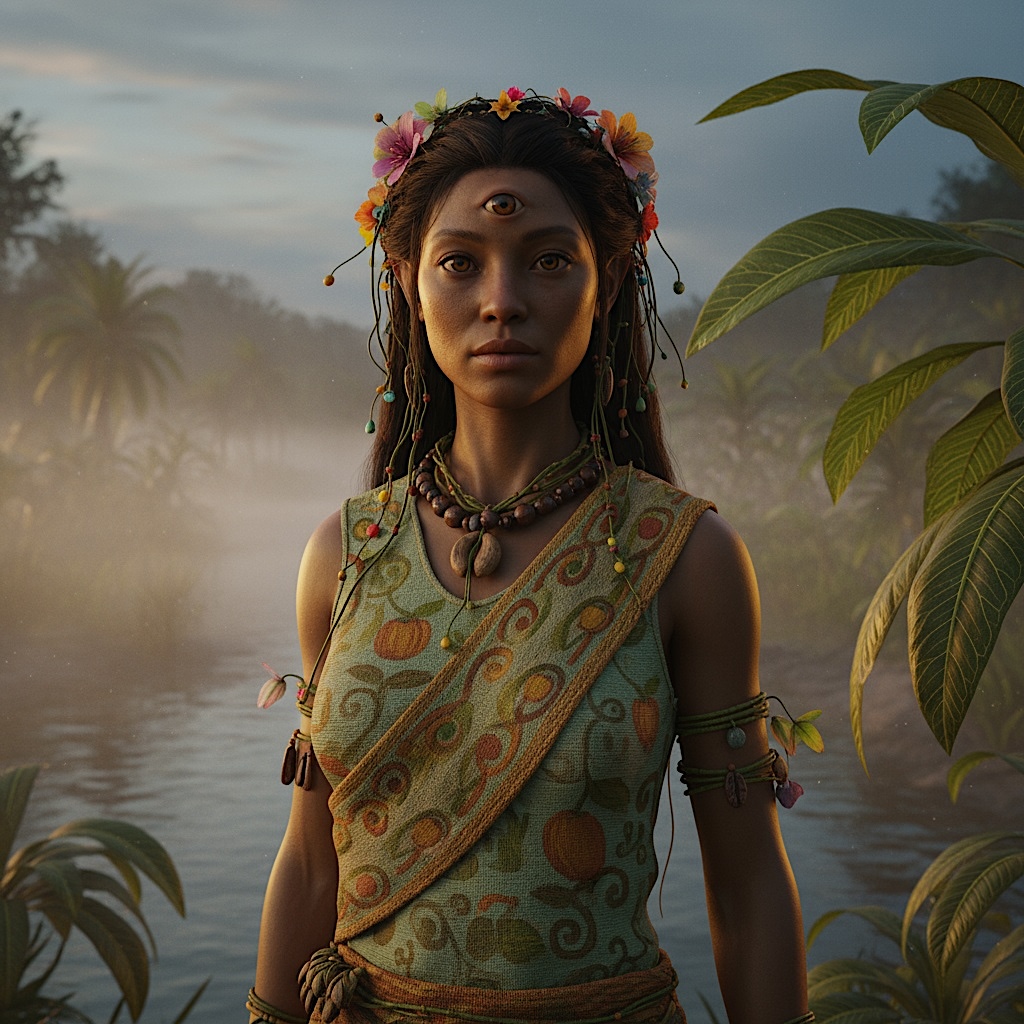
The Honga Tribe is the largest and one of the most influential native tribes on VOI-700 D, with a population of 100,000 members. Their nomadic existence along the sacred Arla River reflects a deep spiritual connection to the natural world. Rooted in traditions passed down over centuries, the Honga live in harmony with their environment, believing in the eternal cycles of life. Their history includes the significant role they played in founding the Alliance against Exohumans during the Beta Age and leading the tribes in the Great War.
Culture; Beliefs and Way Of Life
Lifestyle and Migration
The Honga’s life revolves around their nomadic journey, which they call Shai Zaong (Cycle of Life). This eternal migration follows the flow of the Arla River, from its source to Lake Arla and back. The cycle is divided into five seasons:
- Ameruvi: The cycle begins near the river's source as the Honga prepare for the trek downstream.
- Tolurashi: The season of youthful exploration, where the tribe disperses and bonds are formed.
- Karavashi: A time of reflection and unity at Lake Arla, marked by vision quests and festivals.
- Talara: The journey upstream, focused on giving back and reconciliation.
- Foluvinta: The return to the source, symbolizing the renewal of life and eventual restoration to nature.
Beliefs and Spirituality
The Honga believe in the interconnectedness of all life and view themselves as equal participants in the cycles of nature. Their spiritual practices honor the river and its life-giving force, with the Zaila Veenyo (Eternal Book) serving as a record of their history and spiritual teachings.
Fruitarian Diet
The Honga are fruitarians, consuming only fruits and plants naturally offered by nature. Their sustainable approach ensures the balance of their ecosystem.
Role of Women
Women hold the tribe's leadership positions, serving as both secular and spiritual leaders. They symbolize life and continuity, with the secular leader managing daily needs and the spiritual leader maintaining cultural and spiritual unity.
Tribe Organization
Leadership and Governance
- Secular Leader: Ensures food provision and peaceful coexistence.
- Spiritual Leader: Maintains spiritual cohesion and records history in the Zaila Veenyo.
Community Structure
- Civilians: The majority of the Honga tribe are civilians who contribute to daily life, agriculture, and cultural practices.
- Warriors (Ritual Transformations): In times of threat or attack, the Honga perform a sacred ritual known as Zhailora (The Call of Protection). This ritual transforms civilians into warriors, endowing them with a collective resolve to defend the tribe. The spiritual leader initiates the Zhailora, marking participants with protective tattoos made from plant-based dyes, symbolizing their temporary role as defenders.
- Artisans: Create tools, ceremonial items, and weapons used for both defense and daily life.
- Elders: Serve as advisors, passing down oral traditions and ensuring the community's values are upheld.
Traditional Garment of the Honga Tribe
- Clothing: Honga garments are crafted from plant-based materials like cotton and linen. Patterns and colors mimic the Arla River and its surrounding flora.
- Jewelry and Accessories: Jewelry is made from seeds, nuts, and wood, symbolizing fertility and abundance.
- Hairstyles:Hairstyles are decorated with flowers and vines, especially during rituals.
Weapons and Warfare
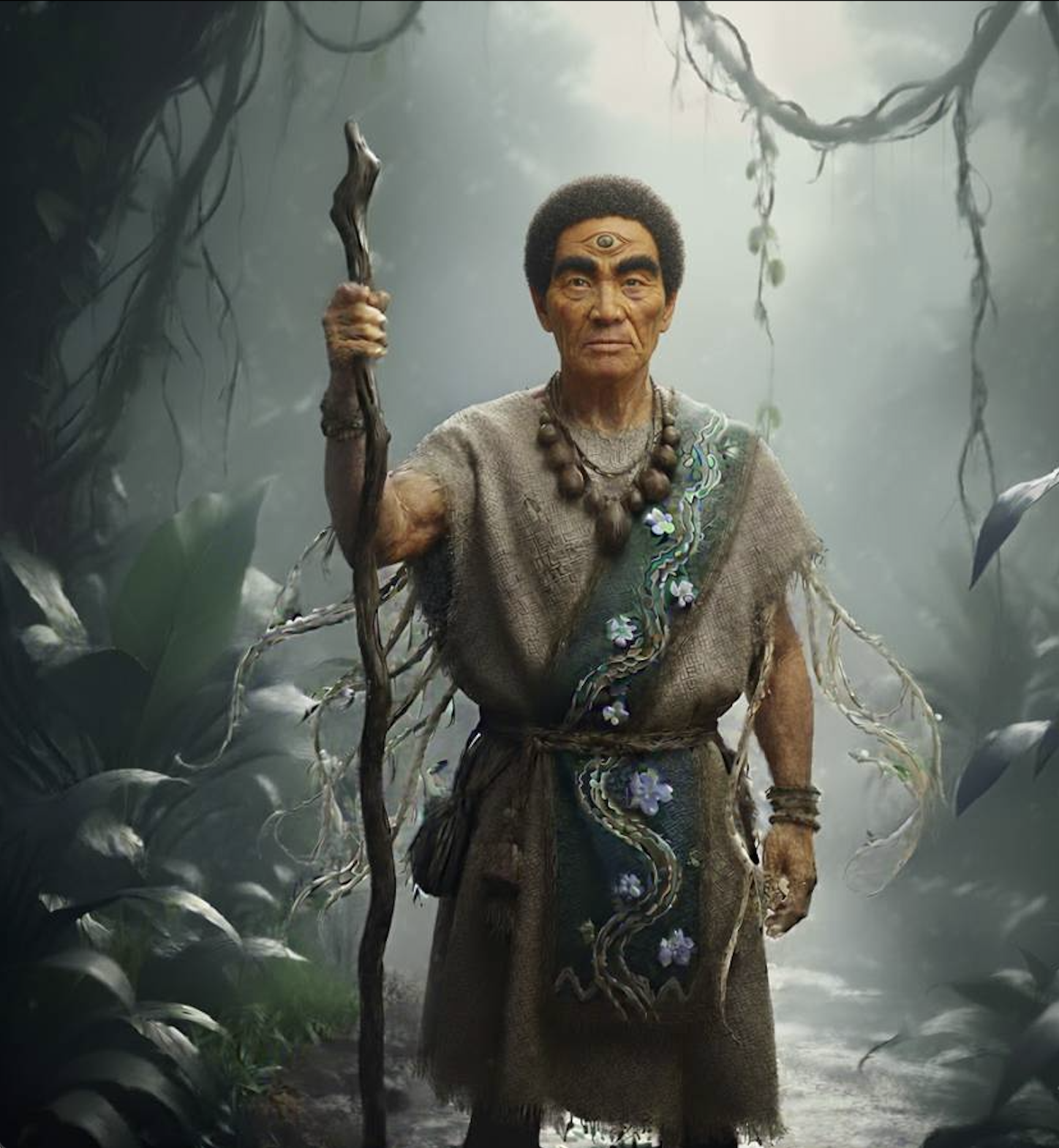
While peace-loving, the Honga are capable warriors when their values or lands are threatened:
- Honga Windpiercer: Emerged during the Great War, when the Honga, under siege, needed a weapon that combined their deep knowledge of the natural world with the element of surprise
- Stone Blades: Sharpened stones used for melee combat.
- Spears: Wooden Spears with a sharp wooden spearhead
- Booby Traps: Includes pitfalls and hidden thorn barriers to deter enemies.
Honga language
The Honga speak a dialect of Shang Telu, is an intricate and deeply contextual tongue spoken by the Honga people. Known for its rich connections to the land and natural processes, the Honga dialect transcends mere verbal communication. It embodies a holistic worldview where each word carries multiple layers of meaning, deeply rooted in the tribe's profound connection with their environment.
Honga names
Depending on the age and family status, a Honga name has three to four particles. Their order is fixed but, in essence, it is their combination that grants distinction between individuals.
- 1) Proper name: A name given by the parents to designate the individual as a distinct member of their family.
- 2) The time during the Honga Cycle that the individual was born; it is said to influence their affinities in later life.
- 3) True form name: Coming of age, Honga await a vision or go on a vision quest to find their spirit animal, plant, mushroom or other guiding force of nature. Its name then becomes the third particle of that person's designation, suggesting their “true form”.
- 4) Family name: identifies an individual as member of a particular family. Until marriage Honga are called by the last name their parents chose. Every couple chooses their own family name freely with marriage. Hence, last names change with every generation among Honga, reflecting their rather loose belief in kinship and strong belief that they are mainly related with and by the natural forces around them.
Tactical Advice for Dungeon Masters
- Symbolic Encounters: Emphasize the Honga's cultural and spiritual practices in player interactions.
- Environmental Challenges: Use the Arla River’s varying landscapes to test players’ survival and adaptability.
- Cultural Diplomacy: Create moral dilemmas where players must choose between aiding the Honga or exohuman settlers.
- Honga Warriors: Highlight their guerrilla tactics and use of traps in combat scenarios.
- Loot Opportunities: Honga-crafted items, such as plant-based dyes or jewelry, can serve as unique treasures.
Related Pages and Further Information
- Known Native Tribes on VOI 700 D (Overview)
Other Native Tribes within the Eastern Equatorial Section of the Habitual Belt: