
Table of Contents
Races | Factions, Tribes & Movements
KNOWN NATIVE TRIBES ON VOI 700 D
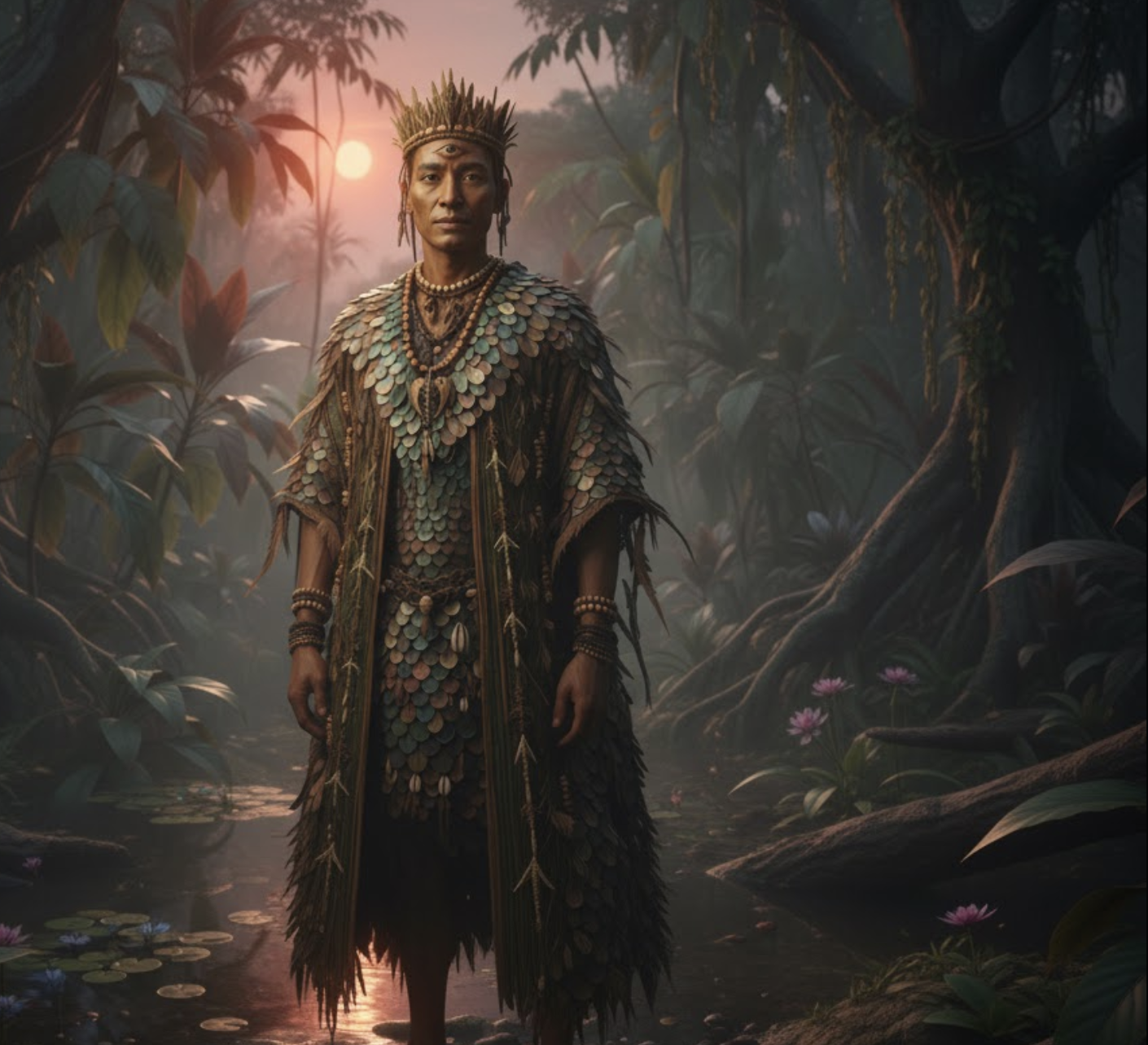
Overview
Exactly how many tribes inhabit the Habitual Belt of VOI 700 D remains unknown. It is widely assumed by ExoHuman researchers that there are significantly more tribes than currently documented. Many are small, nomadic, or have remained isolated in the vast and often uncharted landscapes of the planet.
All currently known tribes — except for two small exceptions — live within the Habitual Belt. These exceptions are the Zark, a tribe dwelling in the Dark Side, and the Duna`Ra, who survive deep in the Desert Side. Neither the ExoHumans nor the Native Tribes have ever undertaken a global census or research effort to catalog all existing tribes. Most tribes only know of the others in their immediate region or those encountered through accident, conflict, or trade.
This article provides a region-by-region overview of the best-known Native Tribes, structured by the sections of the Habitual Belt and beyond. These tribes represent a wide variety of social structures, subsistence strategies, and cultural traditions—ranging from semi-nomadic hunters to sedentary agriculturalists.
North Pole section (Mivari)
The North Pole Section is a cold, harsh area in the Habitual Belt. Nevertheless, the North Pole has a high biodiversity since the Tidal Lock. This benefits about 200,000 Natives who have joined together in tribes.
The known tribes in Mivari are the following:
- ILUMINARI (Sedentary):
- Population: Approximately 40.000
- Short Description: The Iluminari live in stable communities near the melting glacial lakes. They engage in fishing and grow special crops that have adapted to the permanent twilight.
- More information: The Iluminari
- THERANO (Nomads):
- Population: Approximately 35,000
- Short Description: The Therano are nomads who traverse the icy plains of the North Pole Section. They are expert survivalists, relying on a combination of hunting and foraging to sustain their communities. They domesticate a unique species of cold-resistant birds, which they use for transportation and as sentinels to detect incoming storms or predators.
- More Information: The Therano.
- DRAVANU (Sedentary):
- Population: Approximately 30.000
- Short Description: The Dravanu have established their settlements in the deeper parts of the frost-resistant forests adjacent to the melting glacial lakes. Their unique location between the forest and the lake gives them access to abundant resources. The settlements consist of semi-subterranean houses that both store heat and protect against the cold winds.
- ELOVARI (Sedentary):
- Population: Approximately 25,000
- Short Description: The Elovari dwell in isolated villages nestled in glacial valleys. They have adapted to the extreme cold by building structures carved directly into the ice, insulated with layers of natural moss. Their primary sustenance comes from cultivating frost-resistant fungi and algae, which thrive in the perpetual twilight. The Elovari are also renowned for their intricate woven garments made from fibers of tundra plants and decorated with dyes derived from bioluminescent algae.
- More Information: The Elovari
- KERANA (Nomads):
- Population: Approximately 20.000
- Short Description: The Kerana roam the tundra with their large, hairy pack animals. They are vegetarians and feed on the rich plant life of the tundra.
- More information: The Kerana
- NORADI (Semi-Nomadic):
- Population: Approximately 20,000
- Short Description: The Noradi alternate between fixed winter settlements in sheltered valleys and summer migrations across the tundra. They follow the migratory patterns of tundra herbivores, which provide them with essential resources such as food, clothing, and materials for tools. Their winter settlements are crafted from layered stone and ice, reinforced to withstand fierce winds. The Noradi are also skilled storytellers, passing down their history through epic poems and songs performed around large communal fires. They are also experts in crafting wind instruments that mimic the howling of polar gales, which they use to communicate over long distances during migrations.
- More Information: The Noradi
North Midbelt Sections East and West (Nivari and Yedari)
The North Midbelt Sections lie between the equatorial belt and the northernmost polar section. They experience a temperate climate zone, but one that remains constant due to the planet's tidal lock. The climate resembles a perpetual fall season, neither too cold nor too warm, with constant light winds blowing from the Desert Side. These conditions are home to approximately 520.000 Natives.
The known tribes in Nivari are the following:
- VANDANA (Sedentary):
- Population: Approximately 90.000
- Short Description: The Vandana are arable farmers who have settled along the fertile banks of rivers. They have developed complex irrigation systems and grow various types of grain.
- More information: The Vandana
- TARANAS (Nomads):
- Population: Approximately 80.000
- Short Description: The Taranas are nomads who roam the vast grasslands of Nivari. They are known for their riding skills and breed a special kind of robust, fast animals for transportation and hunting.
- More information: The Taranas
- ORIVAN (Sedentary):
- Population: Approximately 55,000
- Short Description: The Orivan dwell in the fertile lowlands near seasonal floodplains. They are experts in water management, using intricate canal systems to cultivate rice-like grains and aquatic plants. The Orivan are skilled artisans, creating vibrant textiles dyed with pigments from local plants.
- More Information: The Orivan
- ZILVANI (Sedentary):
- Population: Approximately 50.000
- Short Description: Deep in the forests of Nivari live the Zilvani, who use the wood and fruit of the forest. They build tree houses and are excellent archers.
- More information: The Zilvani
The known tribes in Yedari are the following:
- RELDANE (Sedentary):
- Population: Approximately 95.000
- Short Description: The Reldane live in the hilly areas of Yedari and are known for their stonemasonry. They build impressive dwellings and temples out of the hills.
- More information: The Reldane
- MENDO (Sedentary):
- Population: Approximately 65.000
- Short Description: The Mendo people live on the larger lakes of Yedari. They are fishermen and have built floating villages connected by complex wooden bridge systems
- More information: The Mendo
- BERANI (Nomads):
- Population: Approximately 55.000
- Short Description: The Berani are wanderers who move between the grasslands and the forests. They are gatherers and hunters, feeding on both flora and fauna.
- More information: The Berani
- NALVAR (Nomads):
- Population: Approximately 45,000
- Short Description: The Nalvar are nomadic hunters who traverse the rugged foothills of Yedari. They are masters of stealth and are often hired by other tribes to track elusive game. Their storytelling is an oral art form, recounting tales of legendary hunts.
- More Information: The Nalvar
Equator Sections East and West (Asari and Zilari)
The Equatorial Sections are the most fertile regions on the planet VOI 700 D. This abundance is reflected in the vibrant cultures and diverse tribes that call these regions home. Approximately 300,000 Natives inhabit each section. However, the Eastern Equatorial Section (Asari) suffered immense losses during the Great War against the Volunteer Army of Man, resulting in the deaths of nearly 40,000 Natives. Consequently, the tribes in Asari are smaller and have had to adapt to a diminished population in the postwar era.
The known tribes in Asari are the following:
- HONGA (Nomads):
- Population: Approximately 100.000 (115.000 before the Great War)
- Short Description: The Honga have called the western shore of the Arla River home for hundreds of years. As a nomadic tribe, they regularly move from the source of their river to the Lake Arla and back. “Shai Zaong” (Cycle of Life) is what the Honga call the path they travel again and again.
- More information: The Honga
- TRANDO (Sedentary):
- Population: Approximately 80.000 (90.000 before the Great War)
- Short Description: The Trando are at home in the dense, huge wooded area near the Lake Arla. This is exactly the life they specialize in. Thus, the Trando do not live on the forest floor, but have built their huts in the trees. So that they get more light. In addition, the huts offer them safety from roaming predators.
- More information: The Trando
- SENTI (Sedentary):
- Population: Approximately 50.000 (60.000 before the Great War)
- Short Description: The Senti are at home in a protected valley of the Tijonara Mountains. They are hunters and farm.
- More information: The Senti
- ORLANDA (Sedentary):
- Population: Approximately 10.000 (15.000 before the Great War)
- Short Description: The Orlando Swamps were named after the Orlanda tribe. Because exactly here, the Orlanda are at home for hundreds of years. And this despite the fact that the living conditions in the morass are not exactly easy. But the Orlanda have somehow managed to settle in the mud - between wild predators and sinking grounds.Their huts are located on floating wooden rafts, where the Orlanda also grow crops.
- More information: The Orlanda
The largest known tribes in Zilari are the following:
- NANDA (Sedentary):
- Population: Approximately 70.000
- Short Description: The Nanda are at home in the vast, fertile plains at the foot of Dabanga Mountain. They are sedentary farmers who grow a variety of grains and vegetables. Their villages are usually arranged around a central communal area..
- More information: The Nanda
- VOTU (Nomads):
- Population: Approximately 70.000
- Short Description: The Votu are experienced hunters and gatherers. They live in mobile communities following the annual migration of large animals in the plains and hills of Zilari.
- More information: The Votu
- ILNA (Sedentary):
- Population: Approximately 55.000
- Short Description: The Ilna live in permanent communities on the northern bank of the Zilari River. Here they practice fishing and river farming. Their dwellings are built on stilts in the river.
- More information: The Ilna
- KOVARI (Nomads):
- Population: Approximately 40,000
- Short Description: The Kovari are nomads who traverse the expansive grasslands of Zilari. They are known for their skill in training Hoos, which they use for transport and as companions.
- More Information: The Kovari
- LAVANI (Sedentary):
- Population: Approximately 35,000
- Short Description: The Lavani have established settlements in the fertile valleys surrounding small mountain springs. They practice advanced irrigation techniques and grow herbs used for medicinal and culinary purposes. The Lavani are renowned for their herbal knowledge, often trading remedies with other tribes.
- More Information: The Lavani
- DARANI (Semi-Nomadic):
- Population: Approximately 30,000
- Short Description: The Darani split their time between cultivating crops in the plains and moving their herds to seasonal pastures. Their semi-nomadic lifestyle ensures a steady food supply throughout the year. The Darani are known for their colorful woven fabrics, which symbolize the harmony between their stationary and nomadic practices.
- More Information: The Darani
South Midbelt Sections East and West (Revari and Zedari)
Like their northern counterparts, the South Midbelt Sections experience a temperate climate zone with a perpetual fall-like environment. Neither too cold nor too warm, the area is defined by light winds blowing from the Desert Side. This stable climate supports thriving ecosystems and diverse communities of about 520,000 Natives, with approximately 260,000 inhabitants in each section.
The known tribes in Revari are the following:
- VELTANI (Sedentary):
- Population: Approximately 80,000
- Short Description: The Veltani have settled along the fertile banks of the Revari River. They practice advanced agriculture, cultivating grains and tubers in terraced fields that minimize soil erosion. The Veltani are known for their communal granaries, which store food to ensure no member of their tribe goes hungry, even during lean periods.
- More Information: The Veltani
- MELTARA (Nomads):
- Population: Approximately 70,000
- Short Description: The Meltara roam the expansive grasslands of Revari, herding a unique breed of semi-domesticated Hoos used for both transportation and sustenance. The Meltara have a deep connection to their animals, viewing them as spiritual companions.
- More Information: The Meltara
- JIRAN (Sedentary):
- Population: Approximately 50,000
- Short Description: The Jiran live in the forested foothills of the southern mountains, relying on sustainable logging (they are planting new trees for every one they cut down) and fruit cultivation. They are also skilled woodworkers, crafting intricate tools and ornaments.
- More Information: The Jiran
- LANORA (Semi-Nomadic):
- Population: Approximately 30,000
- Short Description: The Lanora are renowned for their fermented beverages, made from grains and fruits, which are highly sought after by neighboring tribes. They alternate between farming in the fertile lowlands and grazing livestock in the upland meadows. Their semi-nomadic lifestyle ensures access to diverse resources year-round.
- More Information: The Lanora
- TYVONA (Sedentary):
- Population: Approximately 30,000
- Short Description: The Tyvona have settled in the swampy wetlands near the edge of the southern midbelt. They cultivate water plants have an intricate system of canals and floating gardens, showcasing their ingenuity in adapting to challenging environments.
- More Information: The Tyvona
The known tribes in Zedari are the following:
- DAREVI (Sedentary):
- Population: Approximately 85,000
- Short Description: The Darevi inhabit the fertile valleys of Zedari, where they practice mixed farming and animal husbandry. They have a rich culinary tradition, using local herbs and spices to prepare elaborate meals for tribal ceremonies.Their villages are often surrounded by lush orchards.
- More Information: The Darevi
- SALVIRA (Nomads):
- Population: Approximately 70,000
- Short Description: The Salvira traverse the rolling hills and plateaus of Zedari, relying on hunting and gathering to sustain themselves. They have an intricate knowledge of medicinal plants and are known as healers, often trading their herbal remedies with neighboring tribes for tools and textiles.
- More Information: The Salvira
- KINOVA (Sedentary):
- Population: Approximately 50,000
- Short Description: The Kinova are expert boat builders, crafting lightweight, durable vessels. They live along the shores of large lakes in Zedari, practicing fishing and aquaculture. Their villages are connected by wooden walkways and stilts.
- More Information: The Kinova
- ERVALI (Semi-Nomadic):
- Population: Approximately 35,000
- Short Description: The Ervali are skilled storytellers, known for their cyclically movements between forested areas and open plains, gathering fruits and hunting game.
- More Information: The Ervali
- VORANA (Sedentary):
- Population: Approximately 20,000
- Short Description: The Vorana are respected for their craftsmanship, creating ornamental pieces that are highly valued. They inhabit the rocky highlands of Zedari, where they mine precious minerals and craft intricate jewelry.
- More Information: The Vorana
South Pole Section (Virari)
The South Pole Section of the Habitual Belt mirrors the harsh, cold environment of the North Pole Section. Despite its challenging conditions, it is home to approximately 190,000 Natives who have adapted to this icy region. The tribes in this area thrive on the unique biodiversity and natural resources, forming communities that reflect the balance between survival and cultural richness.
The known tribes in Virari are the following:
- NALVARI (Sedentary):
- Population: Approximately 50,000
- Short Description: The Nalvari reside along the edges of vast, frozen lakes. Their villages are constructed from blocks of glacial ice, reinforced with animal hides for insulation. They cultivate cold-resistant aquatic plants beneath the ice and are skilled ice fishers.
- More Information: The Nalvari
- KOLTHAR (Nomads):
- Population: Approximately 40,000
- Short Description: The Kolthar are nomadic hunters and gatherers who roam the tundra plains of the South Pole Section. They follow the migratory paths of large, fur-covered herbivores, relying on these animals for food, clothing, and tools. They are also known for their deep knowledge of tundra flora and their ability to find medicinal plants in seemingly barren landscapes. They weave intricate patterns into their cloaks, each symbolizing a family lineage or significant journey.
- More Information: The Kolthar
- VORANI (Sedentary):
- Population: Approximately 40,000
- Short Description: The Vorani live in cliffside dwellings carved into the icy faces of mountains. These high-altitude homes offer protection from predators and allow the Vorani to harness wind energy for their unique tools and crafts.The Vorani are expert climbers and are famed for their wind instruments, which produce haunting melodies carried across the tundra. Their spiritual practices revolve around the wind, which they believe is the voice of the ancestors.
- More Information: The Vorani
- SHALVARI (Semi-Nomadic):
- Population: Approximately 35,000
- Short Description: The Shalvari alternate between seasonal camps and permanent settlements located in geothermal valleys, where natural hot springs provide warmth and sustenance. They use this geothermal energy to cultivate rare plants and maintain small animal herds.
- More Information: The Shalvari
- LANDAI (Sedentary):
- Population: Approximately 25,000
- Short Description: The Landai have settled in dense frost-resistant forests, where they construct tree-like homes from sturdy timber and ice. They thrive on hunting, gathering, and limited cultivation in sheltered forest clearings. The Landai are known for their intricate wood carvings and their ability to tame small forest creatures as companions. They celebrate the seasons with festivals that feature elaborate masks and costumes inspired by the forest’s spirits.
- More Information: The Landai
Known Native Tribes outside the Habitual Belt
Neither the Desert Side nor the Dark Side offer good conditions for survival. Nevertheless, there are a two known exceptions among the Native Tribes.
- ZARK (Sedentary / Dark Side):
- Population: Approximately 350
- Short Description: The Zark are probably the most dangerous native tribe on VOI-700 D. But the roots of the Zark are actually peaceful and honorable. For the Zark are actually descended from the Honga tribe from the Eastern Equatorial Section. But because they defied the Spiritual Leaders's orders, they were banished by the Honga. Since then, they have roamed the tundra of the Dark Side as predatory equestrian peoples - raiding all those who get their hands on them.
- More information: The Zark
- DUNA`RA (Nomads / Desert Side):
- Population: Approximately 275
- Short Description: After differences in spiritual beliefs within the Berani tribe of the Western Northern Midbelt, the Duna`Ra fled to the desert, drawn by visions of an underground paradise. They found refuge and water in deep caves beneath the dunes. These underground oases enable them to survive in this inhospitable environment. Their art made from desert stones tells of their heritage and adaptability.
- More information: The Duna`Ra